Technical guides
What an industrial supply enquiry needs to arrive complete
A quote is nearly always delayed by the same thing: someone has to ask again. And what gets asked is rarely exotic — it is the fluid, the pressure class or the ply count.
An industrial buyer does not buy a product, they buy a specification. The difference matters: two parts with the same name and the same diameter can be different materials, at different prices and different lead times. What turns an enquiry into a firm quote is the detail that separates one from the other.
The four data points that apply to everything
Before getting into the specific line, four things change any quote and are worth always stating:
- Quantity and unit. Metres, pieces, complete sets. A flange set is not a flange.
- The date it is needed on site. Not the order date: the date the work front uses it. That decides whether locally available or imported material gets quoted.
- Where it is delivered. Panama City, mine, jobsite or port. It changes cost and lead time.
- Whether a material certificate is required. This reorders everything: it changes the source, the price and the time. Saying it at the end forces the whole quote to be redone.
What each line needs
Beyond that, each material family has two or three data points of its own without which no quote is possible:
Pipe and fittings
For HDPE pipe: diameter, working pressure and whether it is buried or exposed. For lined steel pipe: also particle size, flow velocity and the dimensions of each spool, because it is made to measure and is not shelf material.
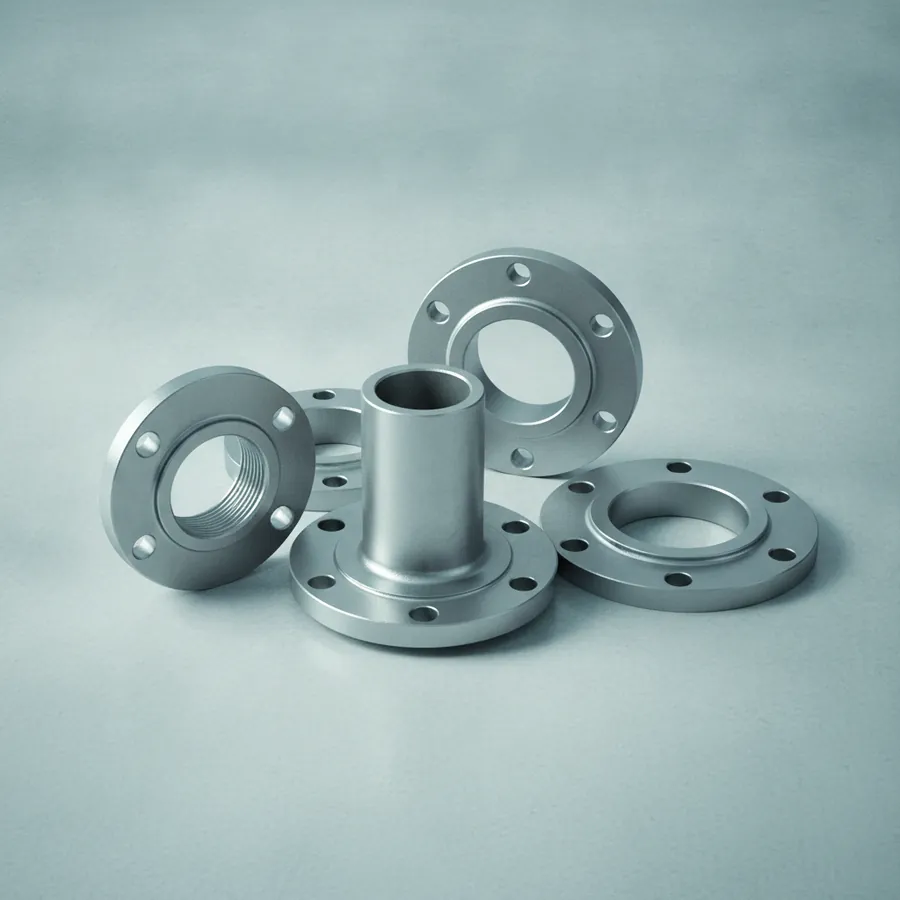
For flanges: nominal diameter, pressure class, flange type and facing type. And it is worth quoting the complete joint, with its gasket and stud bolt set.
Valves and sealing
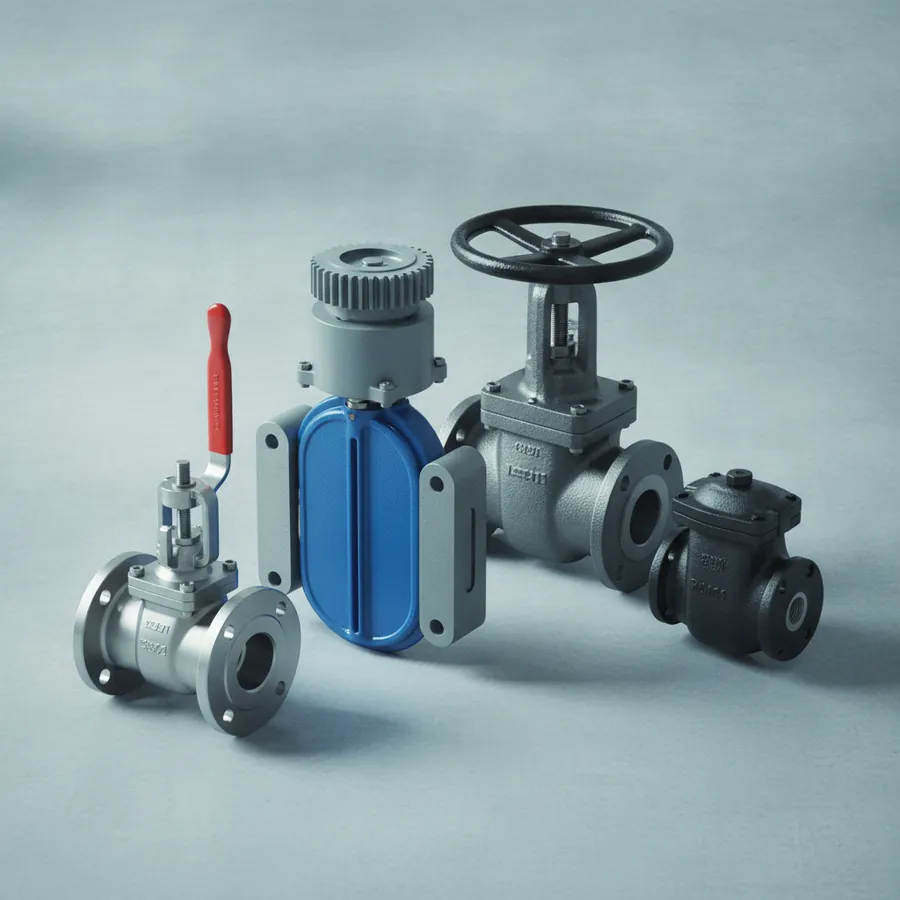
For valves, the first question is not diameter but function: isolate, regulate or prevent backflow. Then fluid, pressure, temperature and connection type.
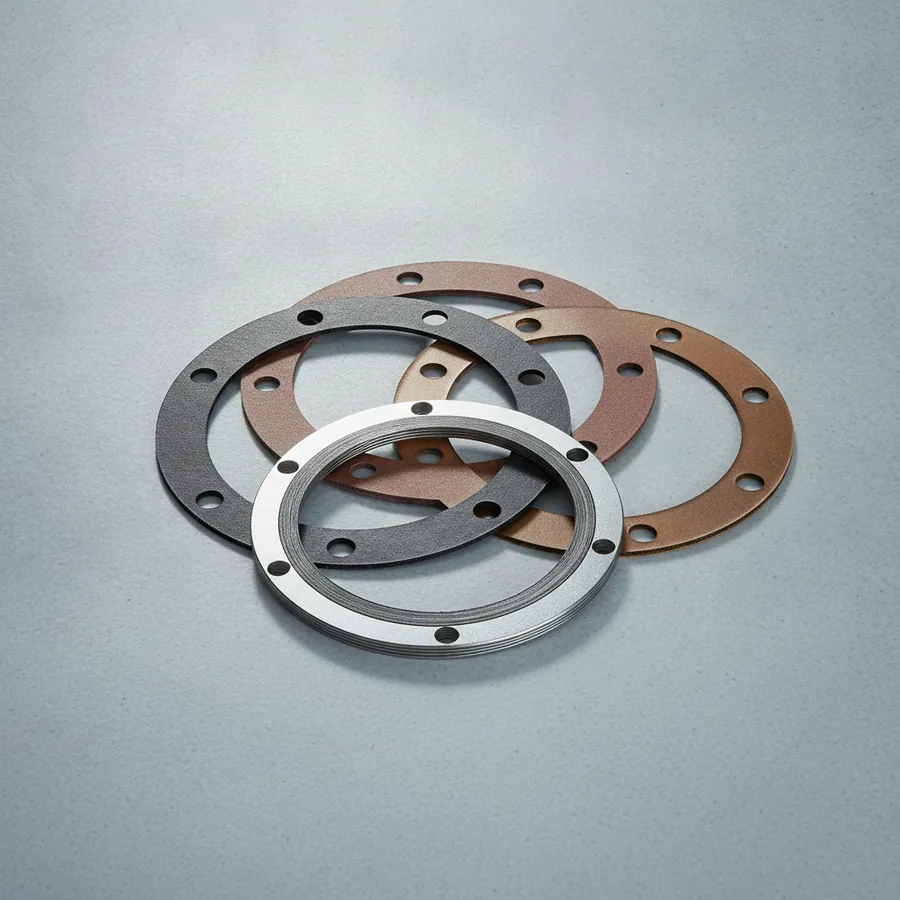
For gaskets, fluid and temperature define the material, and diameter with flange class define the size. Without the fluid, what gets quoted is a generic elastomer.
Structure, fasteners and grating
For structural steel and plate: grade, dimensions and whether cutting is needed. For fasteners: size, grade and finish — galvanised or stainless — which in a coastal environment is not a cosmetic detail.
For grating: design load, span between supports, material and whether the surface is serrated. Plus cut-to-size pieces and perimeter framing, which are what most often turn out missing on assembly day.
Hose and belting
For hose: inside diameter, working and peak pressure, fitting at each end, fluid and temperature. For conveyor belting: width, circuit length, number of plies and cover thickness.
In both cases a photo of the part in place settles in one second what takes three emails in writing.
The photo beats the description
When something is being replaced, the fastest route is a photo of the part coming out, with the label if it is still legible and something beside it for scale. Many industrial parts are identified on sight by the people who handle them daily.
What does not work is a description from memory. “A big valve on the water line” triggers a round of questions that delays the quote by more than taking the photo would have cost.
About lead time, which is usually what matters
It is worth separating two things when asking: what is locally available and what is imported. A lead time in days is not the same as one in weeks, and knowing early allows a decision on whether to accept an available equivalent or wait for the exact part.
A serious quote separates those two cases line by line. If it does not, it is worth asking before issuing the order rather than after.
Short template to copy and paste
- Material and quantity, with unit.
- Full size: diameter, class, thickness or length as applicable.
- Service: fluid, pressure, temperature, abrasion or corrosion if present.
- Date required on site and delivery location.
- Is a material certificate required?
- Photo of the part being replaced, if applicable.
Frequently asked questions
The material description with its size and the service it goes into: fluid, pressure, temperature and whether there is abrasion or corrosion. That lets us quote the right part instead of an equivalent that fails in service.
Because it decides whether to quote locally available or imported material. Those are very different lead times, and knowing from the start avoids committing to a date that cannot be met.
For replacements, almost always. A photo of the part coming out, with the label if legible and something for scale, identifies on sight what takes several rounds of questions in writing.